Zeppole
Zeppole: Classic Italian Fried Dough
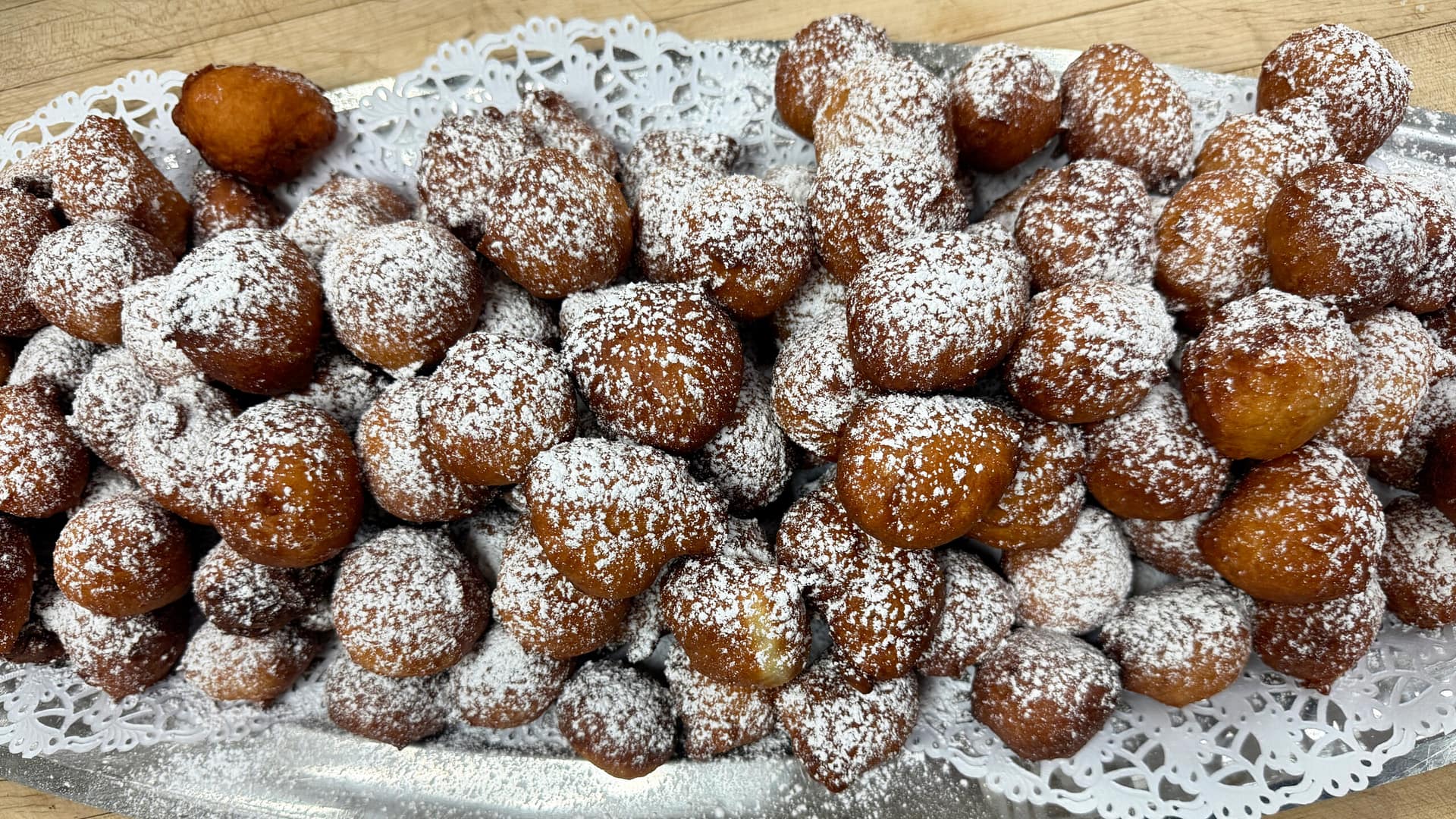
Zeppole are one of the most beloved Italian desserts — light, airy fried dough dusted with powdered sugar and served warm.
They’re the kind of treat you find at festivals, holidays, and family gatherings, always made fresh and eaten right out of the fryer.
Simple ingredients come together into something special when the batter is properly mixed, rested, and fried at the right temperature.
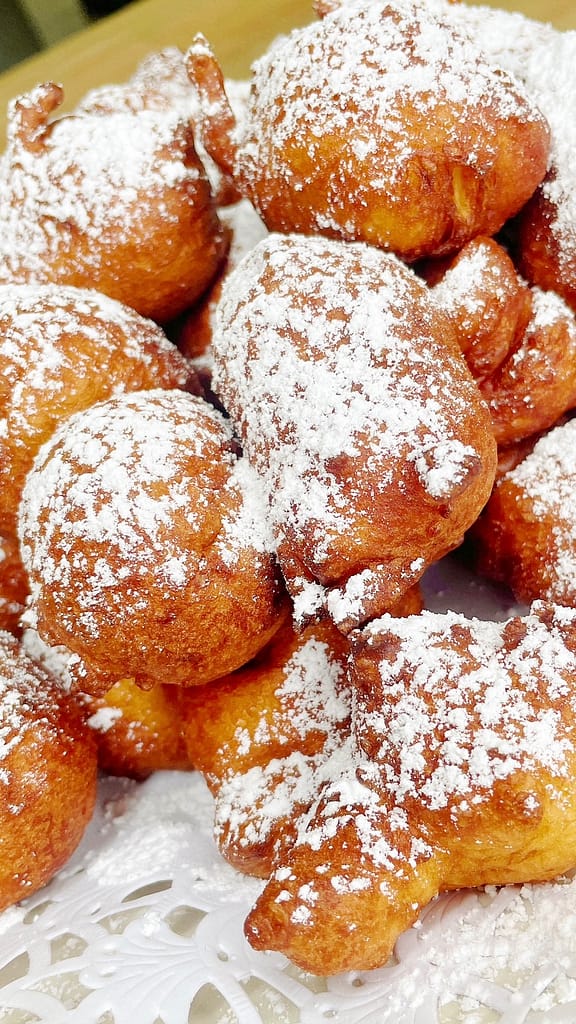
When done right, zeppole puff up beautifully with a soft, airy center and a light, crisp exterior.
This is the kind of dessert that disappears as fast as you make it.
If you love classic Italian dishes like this, try my Bruschetta or Sicilian Caponata to build out your Italian appetizer table.
Watch How I Make It
Watch how these classic Italian zeppole come together step-by-step.
Why This Version Works
Great zeppole should be light, not dense. This version focuses on creating a loose, airy batter that fries quickly and puffs as it hits the hot oil.
The lemon zest adds brightness, while powdered sugar keeps the finish classic and simple.
The Tradition Behind Zeppole
Zeppole are deeply tied to Italian celebrations, street fairs, feast days, and family gatherings.
They’re especially common around holidays and Italian festivals, where fried dough is served hot, dusted generously with powdered sugar, and eaten immediately.
It’s the kind of dessert that feels simple, nostalgic, and impossible to resist.
I learned a lot about making zeppole from our cousin Mike the Bake, who would always make huge batches during our New Year’s Eve celebrations at Gargiulo’s. By the time Venetian Hour started, trays of fresh zeppole covered in powdered sugar would disappear almost as fast as they came out of the fryer.
Technique & Texture: Getting Zeppole Right
The key to zeppole is the texture of the batter and the temperature of the oil.
The batter should be loose and airy, not stiff like bread dough. If the oil is too cool, the zeppole absorb too much oil. If it’s too hot, they brown too quickly before the inside cooks through.
A steady frying temperature helps them puff properly and stay light.
Why Fried Italian Desserts Are So Popular
Fried desserts play a huge role in Italian celebrations and street food culture because they’re simple, festive, and meant to be shared.
Recipes like zeppole were traditionally made fresh for feast days, holidays, carnivals, and neighborhood festivals, where large batches could be fried quickly and served warm to crowds of people.
Part of what makes zeppole so special is that they’re best eaten immediately after frying. The outside stays lightly crisp while the inside remains soft and airy, creating the texture that makes them impossible to stop eating.
Even today, the smell of fresh zeppole frying instantly brings people back to Italian feasts, boardwalk stands, and family gatherings centered around food and tradition.
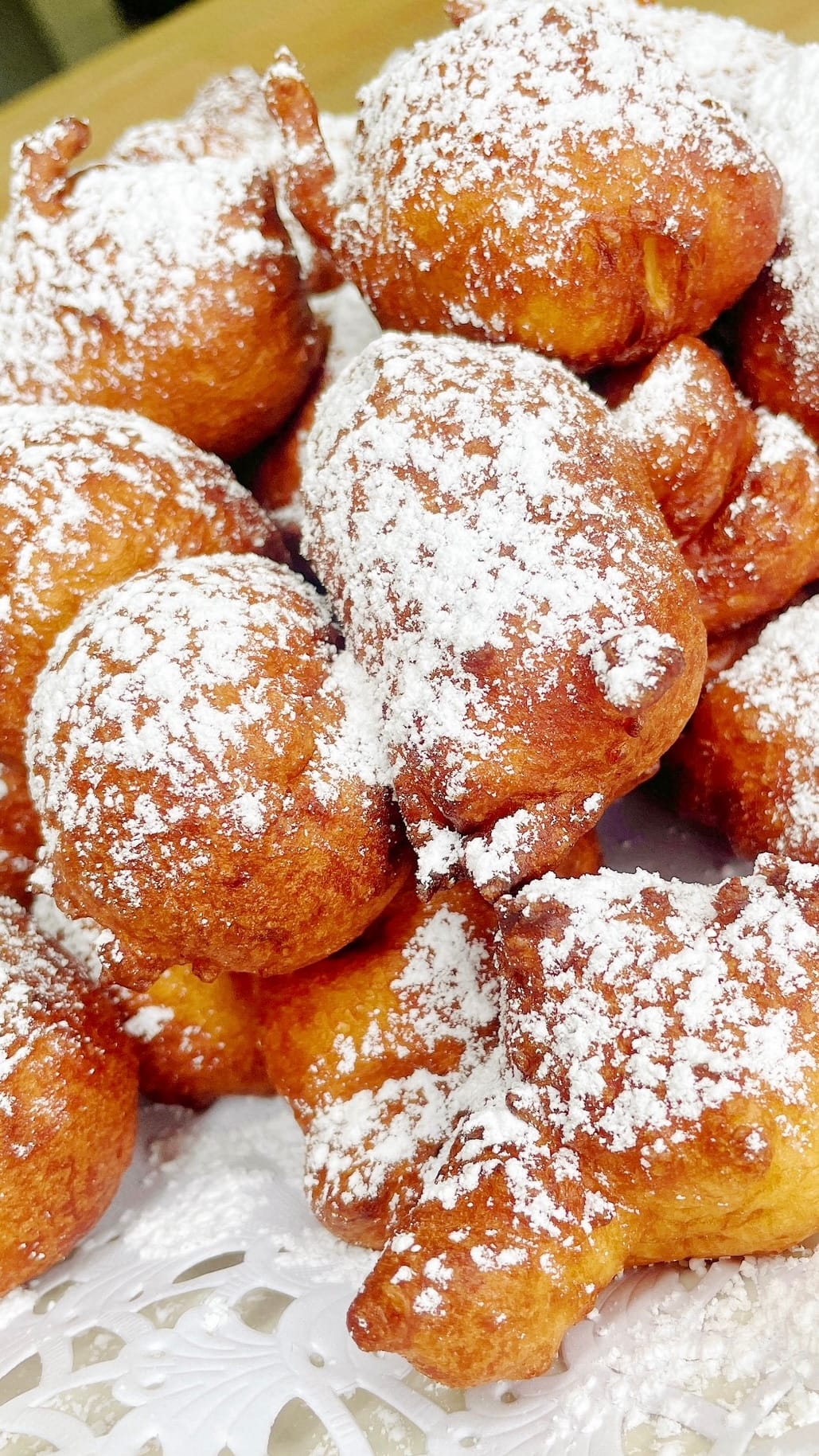

Zeppole
Ingredients
Method
- Warm the milk until just slightly warm to the touch (not hot).
- Whisk in 3 tablespoons of sugar and the fresh yeast until dissolved. Let sit for 5–10 minutes until lightly foamy.
- In a large bowl, rub the remaining 3 tablespoons sugar with the lemon zest until fragrant.
- Add the flour, salt and eggs, whisking to combine.
- Pour in the milk mixture and whisk until a smooth, thick batter forms. It should be loose but cohesive.
- Cover and let rest in a warm place until doubled in size, about 1½ to 2 hours.
- Heat oil in a heavy pot to 350°F.
- Using two spoons or a small scoop, drop spoonfuls of batter into the hot oil.
- Fry in batches, turning occasionally, until puffed and golden brown — about 3–4 minutes per batch.
- Transfer to paper towels and dust generously with powdered sugar while still warm.
- Serve immediately.
Chef’s Notes
- The dough should be loose and airy — not stiff like traditional dough.
- Make sure the oil stays at a steady temperature to ensure even frying.
- Serve immediately — zeppole are best fresh.
Zeppole Questions
What are zeppole?
Zeppole are Italian fried dough balls, often served with powdered sugar.
Can zeppole be made ahead of time?
They are best served fresh, but the dough can be prepared in advance.
What oil is best for frying?
Neutral oils like vegetable or canola oil work best.
Why didn’t my zeppole puff up?
This can happen if the dough didn’t rise enough or the oil temperature was too low.