
Linguine alle Vongole
Linguine alle Vongole: Classic Italian Clam Pasta
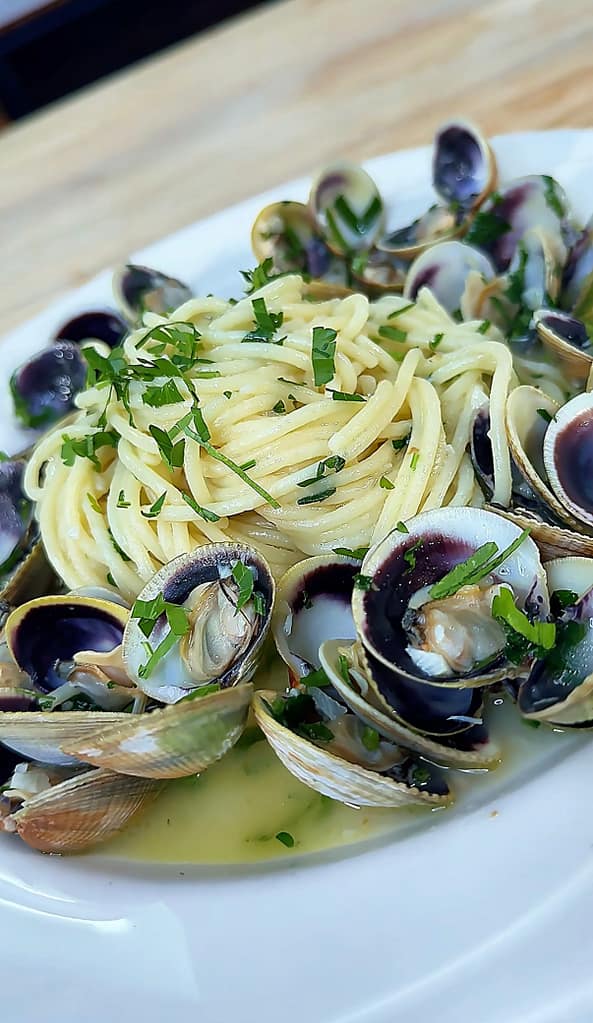
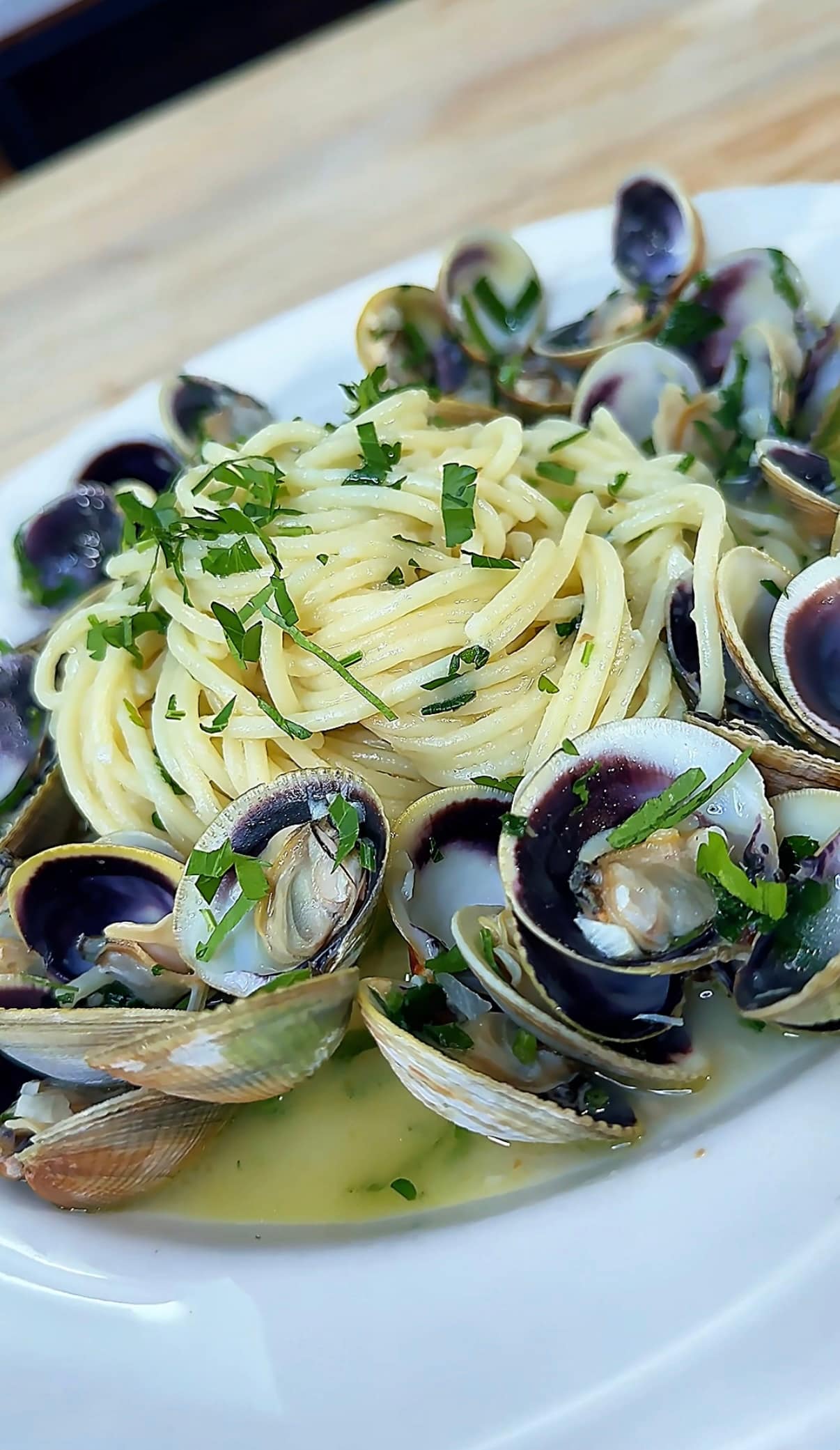
Linguine alle Vongole is one of the most iconic seafood pastas in Italian cooking — simple, elegant, and built on just a few ingredients.
Fresh clams, garlic, white wine, olive oil, and parsley come together to create a light, flavorful sauce that perfectly coats the pasta.
For me, it will always be tied to Christmas Eve — a dish that brings back memories of family, tradition, and long nights around the table.
In Naples, where seafood is at the heart of the cuisine, dishes like this are a way of life. Being so close to the sea, the focus has always been on using fresh, high-quality ingredients and letting them speak for themselves. Linguine alle Vongole is a perfect example of that philosophy — no heavy sauces, no unnecessary additions, just clean flavors that highlight the seafood.
It’s a dish you’ll find everywhere from coastal restaurants to home kitchens, served year-round but especially during holidays and gatherings. Whether it’s Christmas Eve or a summer night by the water, it’s the kind of pasta that always feels special.
If you enjoy seafood dishes like this, try my Shrimp Scampi or Zuppa di Mussels, two other classic Italian recipes built on simple ingredients and technique.
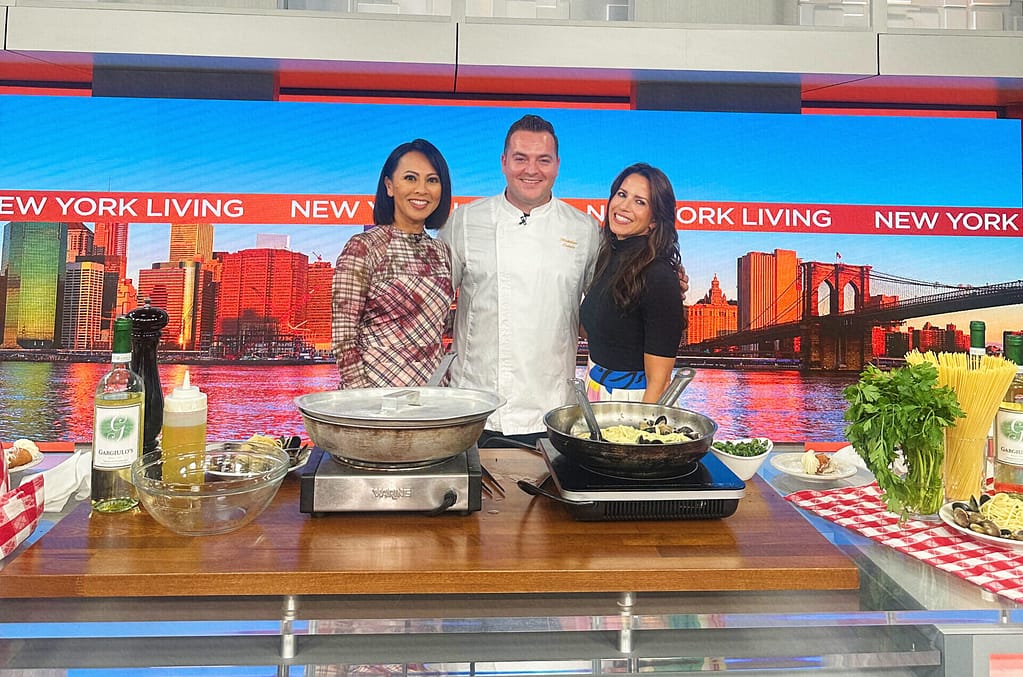
Featured on PIX11
Watch my appearance on PIX11 where I make this Linguine alle Vongole and talk through the technique behind the dish.
Watch How I Make It
Watch how this Linguine alle Vongole comes together step-by-step.
Why This Version Works
Linguine alle Vongole is all about letting the ingredients speak for themselves.
This version focuses on clean flavors — fresh clams, properly cooked garlic, and a light white wine sauce that enhances rather than overpowers the dish.
Cooking the pasta directly in the pan with the clam broth allows everything to come together naturally.
The Simplicity of Seafood in Italian Cooking
One of the defining characteristics of Italian seafood dishes is restraint. Recipes like Linguine alle Vongole rely on just a few ingredients, but each one plays an important role.
The clams provide both flavor and the base of the sauce, releasing their natural juices as they open. Garlic adds depth, while white wine brings acidity and balance. Olive oil ties everything together, creating a sauce that feels light but still full of flavor.
There’s no need for heavy creams or complex additions — the goal is to enhance what’s already there. This is especially true in Southern Italian cooking, where seafood is treated with care and simplicity.
When done properly, the result is a dish that feels effortless but is rooted in technique and timing. It’s this balance that makes Linguine alle Vongole one of the most respected and enduring pasta dishes in Italian cuisine.
Technique & Texture: Getting Vongole Right
The key to great Linguine alle Vongole is timing. Clams should be cooked just until they open — no longer — to keep them tender.
The liquid released from the clams becomes the base of the sauce, so it’s important to preserve it and build on it with white wine and olive oil.
Finishing the pasta in the pan ensures the sauce emulsifies and coats every strand.
This same approach is used in dishes like Spaghetti Aglio e Olio, where technique is just as important as ingredients.
The Tradition Behind Linguine alle Vongole
Linguine alle Vongole is deeply rooted in Southern Italian cooking, especially in Naples where seafood plays a central role in everyday cuisine.
With the coastline just steps away, dishes like this are built around freshness and simplicity. Clams, olive oil, garlic, and wine come together without heavy sauces, allowing the natural flavors to stand out.
While it’s often associated with Christmas Eve, this is a dish that’s enjoyed year-round — whether at home, by the water, or in a simple trattoria.

Linguine alle Vongole
Ingredients
Method
- Place the vongole in a bowl and cover with cold water. Add a handful of salt and mix gently. Let them sit for 20–30 minutes so they release any sand, then drain and rinse.
- Bring a large pot of salted water to a boil and cook the linguine until just shy of al dente.
- Meanwhile, heat olive oil in a large sauté pan over medium heat. Add the whole garlic cloves and parsley stems and allow them to gently perfume the oil.
- Add the clams to the pan and pour in the white wine. Cover immediately and allow them to steam until they open, about 3–5 minutes.
- Discard the garlic and parsley stems.
- Taste the sauce before seasoning and adjust with salt, pepper, and optional red pepper flakes.
- Transfer the pasta directly to the pan with the clams and add a ladle of pasta water.
- Toss everything together until the pasta is coated and the sauce emulsifies.
- Finish with fresh chopped parsley and a drizzle of good olive oil before serving.
- Serve immediately.
Chef’s Notes
- Always soak the clams first. This helps remove any sand that could end up in the sauce.
- Use fresh, high-quality clams
- Discard any clams that do not open during cooking.
- Cooking the pasta directly in the clam sauce for the final minute helps the sauce coat the pasta perfectly.
- Avoid adding cheese — traditional linguine alle vongole is served without it.
Linguine alle Vongole Questions
What does linguine alle vongole mean?
Linguine alle Vongole translates to “linguine with clams” in Italian.
What clams are best for linguine alle vongole?
Small clams such as littleneck or Manila clams are most commonly used.
Should you add cheese to linguine alle vongole?
No. Traditional Italian versions do not include cheese because it would overpower the delicate flavor of the clams.
Can you make linguine alle vongole without wine?
Yes. You can substitute clam juice or seafood broth, though white wine adds brightness and depth.